
Introduction
When people plan a jungle safari in Pench National Park, the core zones are almost always the main focus. These places are well-known for seeing tigers, but they also get a lot of tourists, have limited availability, and make the safari experience feel rushed. What a lot of visitors don’t know is that the buffer zones of Pench have turned into great places for wildlife to live, where you can see just as many animals with a lot fewer people. Buffer zones are no longer a backup option for people who want quiet, more time to explore, and a more real connection with nature. They are now a smart and strategic choice.
What Are Buffer Zones in Pench?
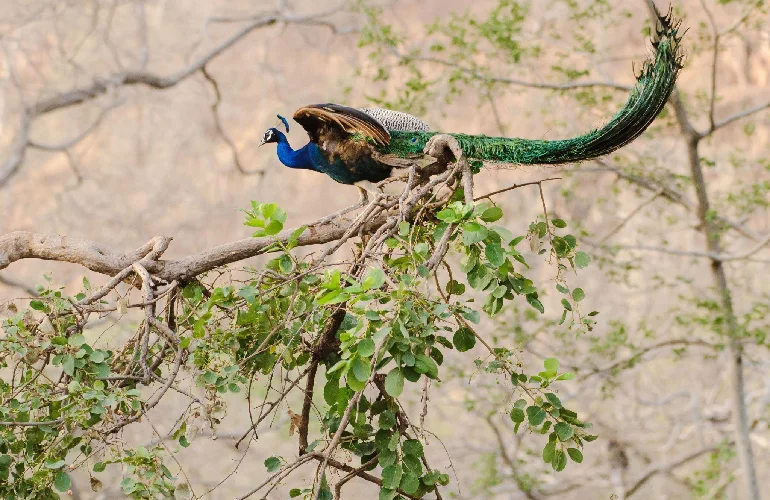
Buffer zones are forested regions that surround the core areas of the national park and act as a protective layer for wildlife conservation. Over the years, these zones have seen significant ecological development, with increasing vegetation density, prey availability, and animal
movement. Unlike core zones, buffer areas are often less regulated in terms of vehicle density, which allows for a more flexible and immersive safari experience. Visitors can enjoy slower drives, spend more time observing animal behaviour, and explore landscapes without the
pressure of crowded routes. Additionally, buffer zones contribute heavily to conservation by expanding the habitat range for tigers and other species, making them an essential part of Pench’s ecosystem.
Top Buffer Zones in Pench
1. Turia Buffer Zone
The Turia buffer is one of the easiest and most beginner-friendly zones in Pench, especially for tourists who are staying near the main tourist area. It’s a good choice because it’s close to popular entry gates, but what really sets it apart is the wide range of landscapes, from open meadows to thick patches of forest. This difference makes it more likely that you’ll see herbivores like deer and gaur, which in turn draws predators like tigers and leopards. The Turia buffer is a good choice for people going on their first safari because it offers both wildlife and beautiful scenery, but it’s less crowded than the core zones.
2. Khursapar Buffer Zone
Khursapar has quickly become known as one of the best places in Pench to see tigers from a
distance. People who love wildlife and take pictures often choose this area because it has a lot of trees, and predators are always on the move. The landscape here makes it easier for animals to move around, so sightings are more likely to happen than in other places. In the past few years, Khursapar has even had as many sightings as some of the main areas, making it a great choice for people who really want to see wildlife. There are fewer cars on the road, making it easier for photographers to get into position and take pictures without interruption.
3. Sillari Buffer Zone
Sillari buffer is on the Maharashtra side of Pench National Park. It has a very different vibe from the more popular areas. This area is known for its beautiful green hills, rolling hills, and quiet atmosphere. It’s a great place for people who want to relax instead of being around a lot of people. You might have to wait a little longer to see wildlife here, but the whole experience is very rewarding. The quiet of the forest, along with the chance to see animals in their natural habitat, makes for a truly immersive jungle experience that feels very different from places where tourists go.
4. Rukhad Buffer Zone
People often call Rukhad Pench’s hidden treasure. It doesn’t get as many tourists because it’s not as commercialised, which makes it great for people looking for an unusual adventure. The area is especially known for sightings of leopards, wild dogs (dholes), and other rare animals that are harder to find in busier places. Rukhad’s natural beauty is untouched, which makes every safari different and adds an element of surprise. For experienced wildlife travellers, this area is a refreshing change from the usual safari routes. It also has the added excitement of exploring relatively unknown areas.
Are Frequent Tiger Sightings Really Possible in Buffer Zones?
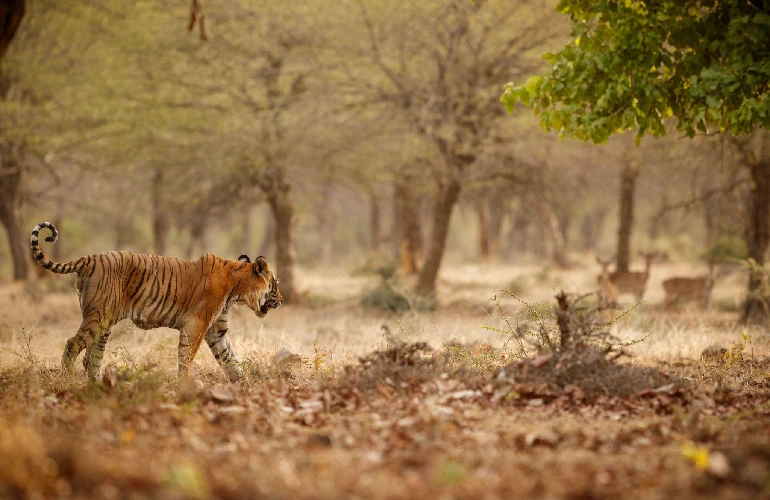
Many travellers think that buffer zones are not good places to see tigers. But this idea has changed a lot in the last ten years. Tiger populations have grown beyond their core zones into buffer areas thanks to successful conservation efforts and better habitat management. Some buffer zones now report regular tiger movement and sightings, especially during peak seasons.Visitors often have longer and more uninterrupted viewing times in these less crowded areas, which can make the experience even more memorable than a quick sighting in a busy core zone.
Where to Stay for Easy Access
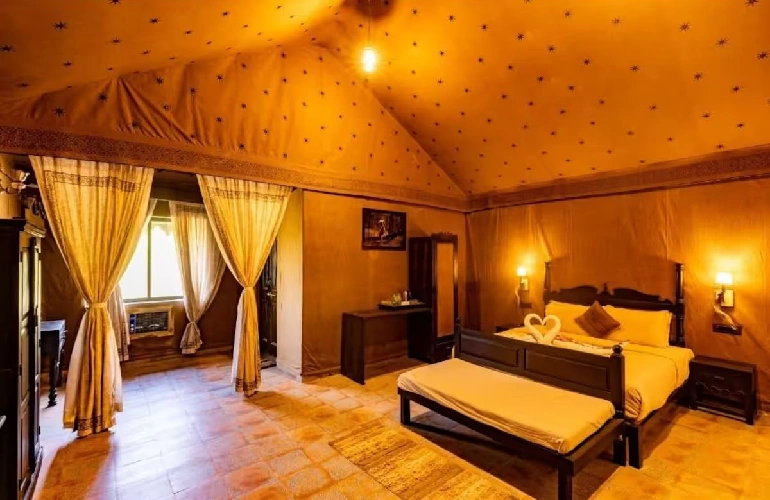
Your choice of accommodation plays a crucial role in shaping your safari experience. Staying near key entry points not only reduces travel time but also increases your chances of securing preferred safari slots. Resorts like Mayur The Karma Resort provide strategic access to multiple buffer zones, along with personalised safari arrangements and local expertise. This combination of convenience and comfort allows guests to focus entirely on the wildlife experience without logistical stress.