
Complete Guide to Buffer Zone Safaris in Pench (2026)
What is a Buffer Zone Safari?
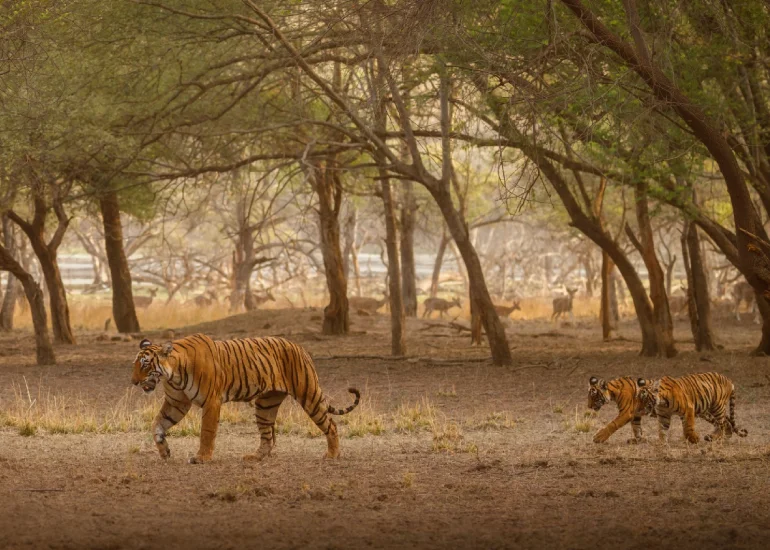
The safari through the buffer zone takes one through the forest patches that surround the protected core area of the Pench National Park. The buffer zones provide a transition between the protected area of the tiger habitat and the nearby village areas to ensure a reduction in the human-animal conflict and to give more space for the wildlife. Unlike what most tourists think, the buffer zone does not have to be an “outside” forest with no wildlife. Rather, it forms an important part of the Pench Tiger Reserve ecosystem, which has tigers, leopards, gaur, deer,wild boar, jackals, sloth bears, and hundreds of bird species that move between the core and surrounding forests in a natural way since the wildlife does not know any artificial boundaries. Wildlife sighting is highly possible in the buffer zones, too. The best part about the buffer zone is the relaxed environment. Unlike other core safari tracks, there are fewer tourist vehicles on the buffer safaris. Therefore, it offers a perfect opportunity for photography, bird watching, and a general relaxing environment, especially for families with kids.
Know the Difference between Buffer Zone and Core Zone
One of the most popular questions among tourists concerns choosing between buffer and core safaris. It all depends on your preference. Core safari tours are aimed at wildlife conservation, and people prefer to go there for tiger sighting. Due to limited access, safari tickets become highly sought after, especially on weekends and holidays. In contrast, buffer zones provide for wider nature exploration. Although tiger sightings may be not as predictable as in some core routes, forests are as beautiful as well as diverse in wildlife. Furthermore, you will find lesser number of cars around, which makes a safari more relaxing.
| Feature | Buffer Zone | Core Zone |
|---|---|---|
| Crowd Levels | Generally lower | Higher |
| Tiger Sighting Probability | Moderate | Higher |
| Birdwatching | Excellent | Excellent |
| Scenic Beauty | Outstanding, especially in the monsoon | Excellent |
| Monsoon Access | Selected zones remain open | Closed during the monsoon |
| Ideal For | Nature lovers, families, photographers | Wildlife enthusiasts focused on big cats |
Rather than thinking of the buffer as a “second choice,” it’s better viewed as a different way to experience Pench. Many repeat visitors intentionally choose buffer safaris for their tranquility and scenic appeal.
Is the Buffer Zone Open During the Monsoon?
One of the biggest misconceptions about Pench is that the entire park closes during the rainy season.
In reality, selected buffer zones on the Maharashtra side remain open from July to September, even though the core safari zones are closed. This allows visitors to enjoy the forest safely while minimizing disturbance to wildlife during the breeding season and protecting roads that become difficult to navigate after heavy rainfall. The monsoon transforms Pench into a completely different landscape. Dry forest trails become lush green pathways, streams begin flowing again, and the entire jungle feels alive with fresh vegetation. Bird activity increases significantly, butterflies become more abundant, and the cooler weather makes outdoor exploration far more comfortable than the scorching summer months.
If your goal is to experience the beauty of the forest rather than simply chase tiger sightings, the monsoon is one of the most rewarding seasons to visit.
Wildlife You Can Expect to See
Every safari in Pench is different, and that’s one of the reasons why it’s so exciting. Since it’s a natural habitat and not a zoo, there is never any guarantee of spotting any wildlife. The buffer forest, however, houses a great variety of mammal, avian, reptile, and insect life. People often get to see spotted deer (chital), sambar deer, nilgai, wild boar, Indian gaur, langurs, rhesus macaque, jackals, and many varieties of birds throughout the year. There have been instances of leopards being spotted in the buffer forest as well. There are tigers found in the buffer forest since tigers often roam around in different parts of the park in search of territories and prey.
Although the probability may not always be the same as that of the core zones, some people have had amazing tiger sightings in buffer safaris.
The rainy season is especially rewarding for birdwatchers. Species such as peafowl, kingfishers, drongos, woodpeckers, crested serpent eagles, paradise flycatchers, owls, and numerous seasonal birds are frequently seen during early morning safaris. The vibrant greenery also creates spectacular photographic opportunities, whether you’re capturing wildlife, landscapes, or macro subjects like butterflies and wildflowers.
Which Buffer Zones Can You Visit?
The Maharashtra side of Pench Tiger Reserve offers selected buffer zones for tourism, particularly during the monsoon season. Among the commonly visited areas are Nagalwadi (Surewani Gate) and Paoni U.C. (Sillari Gate), which remain operational during the rainy months, subject to weather and forest department regulations. Each gate offers a slightly different safari experience depending on habitat, terrain, and wildlife movement. Some routes pass through dense forests, while others include grasslands, water bodies, and scenic viewpoints. Since wildlife movement changes throughout the year, no gate can promise better sightings every day. Instead, each safari offers a unique opportunity to observe Pench’s diverse ecosystem from a different perspective.
Best Time to Visit the Buffer Zone
One of the greatest advantages of the buffer zone is that every season offers something unique.
July to September (The Green Season)
The forest is at its most vibrant during the monsoon. Fresh foliage, flowing streams, cooler temperatures, blooming wildflowers, and abundant birdlife create an unforgettable experience for nature lovers and photographers.
October to February (Pleasant Weather)
This is one of the most comfortable seasons for safari. Mild temperatures, clear skies, and lush post-monsoon vegetation make it ideal for families and first-time visitors.
March to June (Wildlife Viewing Season)
As water sources become limited, animals gather around lakes and watering holes, increasing the chances of spotting larger mammals. Although daytime temperatures are higher, this period is popular among wildlife enthusiasts hoping for memorable sightings.
Safari Timings, Booking & Important Information
The buffer safaris are conducted in two different shifts in a single day: one in the morning and the other in the evening. The time of reporting and entry changes according to the season as the time of sunrise and sunset changes every season. There being a limited number of safari cars that can run in each buffer area, it is recommended that you book the safari ahead of time, especially when coming during weekends and holidays like public holidays and school holidays. While planning the safari, you should ensure that you have photo identification and earthy clothing.
Tips for an Amazing Buffer Safari Experience
The real charm of Pench is not just meeting tigers but enjoying the entire jungle ecosystem, including high teak trees, fresh tracks of animals, birdsongs, butterflies, and foggy landscapes.
Where to Stay for a Buffer Safari
Choosing accommodation close to Pench allows you to reach the safari gate comfortably, especially for early morning departures. It also gives you more time to relax and enjoy thenatural surroundings after your safari. At Mayur The Karma, guests can combine wildlife adventures with peaceful lake views, comfortable accommodations, locally inspired cuisine, and the serenity of nature. Whether you’re visiting during the lush monsoon months or the peak safari season, staying close to the forest makes your Pench experience more convenient and immersive.
Frequently Asked Questions
Is a buffer zone safari worth it?
Yes. While many visitors focus only on the core safari, the buffer zone offers rich biodiversity, fewer crowds, excellent birdwatching, beautiful landscapes, and the opportunity to experiencePench during the monsoon.
Can I see a tiger in the buffer zone?
Yes. Tigers frequently move through buffer forests, although sightings depend on wildlife movement, season, and luck.
Is the buffer zone open during the rainy season?
Yes. Selected buffer zones on the Maharashtra side remain open from July to September, while the core zones are generally closed.
How long does a buffer safari last?
A typical jeep safari lasts around 3 to 4 hours, depending on the designated route andseasonal schedule.
Is the buffer safari suitable for families?
Absolutely. The buffer zone’s peaceful atmosphere and slower pace make it an excellent choice for families, couples, photographers, and first-time visitors.
A buffer zone safari is much more than an alternative to the core safari—it’s a chance to discover Pench from a different perspective. With lush forests during the monsoon, diverse wildlife throughout the year, quieter safari routes, and incredible opportunities for birdwatching and photography, the buffer zone offers an enriching experience for every kind of traveller.
If you’re planning a visit to Pench, consider combining your safari with a stay at Mayur The Karma. Located close to the forest, it provides a comfortable base from which you can explore the wilderness by day and unwind amidst nature by evening.